

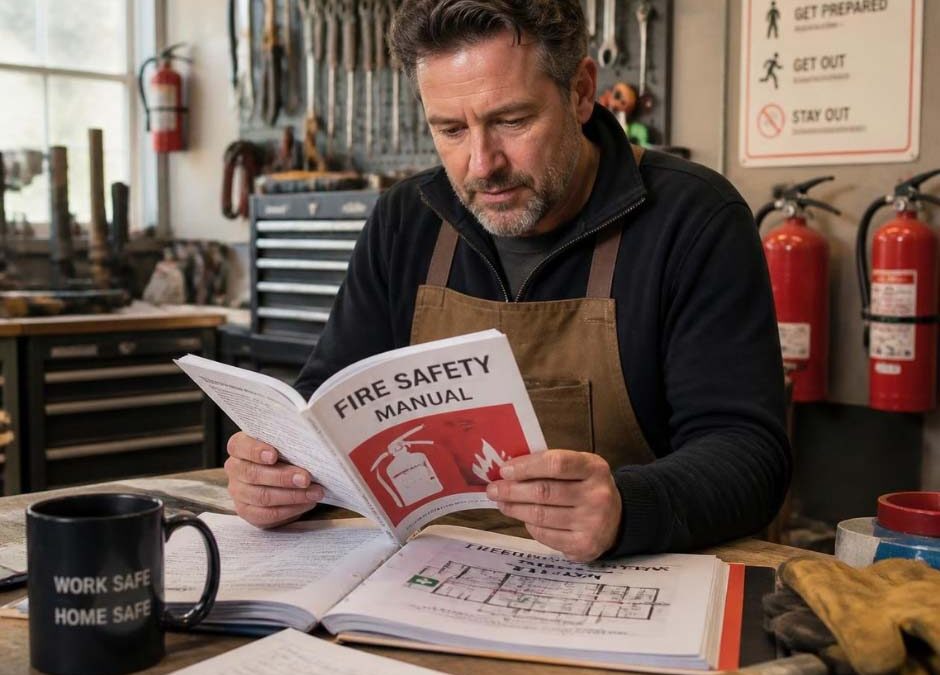
As cooler autumn temperatures settle in and seasonal operations scale up, small businesses face unique fire safety hazards and insurance compliance demands. Increased electrical loads, space heater usage, and holiday inventory build-up can elevate property loss risks.
At the same time, managing operational risk requires verifying that contractors, vendors, and tenants maintain active insurance coverage through structured Certificates of Insurance (COI) tracking.
Reviewing your physical fire safety measures alongside your contract documentation helps protect your commercial property, employees, and financial bottom line.
Commercial Fire Prevention: Core Facility Maintenance
Preventing commercial fires starts with addressing workplace hazards before they cause property damage or business interruption.
Key Workplace Fire Hazards to Address
-
- Electrical System Demands: Inspect breaker panels, extension cords, and power strips across office spaces, retail floors, and warehouses. Avoid daisy-chaining surge protectors and replace any frayed or damaged cords immediately.
- Space Heater Restrictions: Portable space heaters in office cubicles or backrooms are a top source of commercial fires. If allowed by company policy, units need to be required to have automatic tip-over shutoff switches, kept 3 feet clear of papers and upholstery, and to be plugged directly into wall outlets.
- Proper Means of Egress: Confirm that all exit routes, fire doors, and stairwells remain clear of boxes, pallets, and clutter. Exit signs and emergency lighting should be tested monthly to confirm battery backup functionality.
- Combustible Storage and Trash Management: Keep trash containers clear of building exteriors, and store flammable liquids, cleaning solvents, or packing materials in approved fire-rated storage cabinets.
Commercial Fire Suppression & Alarm Compliance
Local fire codes and insurance underwriters require commercial properties to maintain functioning fire suppression and alarm systems.
-
- Fire Extinguisher Inspection: Keep fully charged, multi-purpose (Class ABC) fire extinguishers visible and unobstructed throughout your facility. Verify that monthly visual inspections are documented on maintenance tags and that annual professional service is up to date.
- Commercial Kitchen Systems: For restaurants or businesses with commercial cooking areas, schedule bi-annual inspections of UL 300 wet-chemical fire suppression systems and hood exhaust cleaning.
- Sprinkler System Clearance: Maintain a minimum 18-inch clearance below sprinkler heads throughout storage spaces (36 inches for high-piled storage) to allow proper water distribution during a fire event.
- Central Station Monitoring: Test fire alarm control panels and confirm that signals successfully reach your central monitoring station.
The Role of COI Audits in Commercial Risk Management
Fire safety extends beyond your internal operations. Third-party vendors, maintenance contractors, and commercial tenants working on or near your premises can introduce significant fire hazards—such as hot work, welding, or electrical modifications.
Conducting regular Certificate of Insurance (COI) audits verify that third parties transfer risk appropriately rather than shifting financial liabilities back to your business.
Essential Steps for COI Audits
-
- Verify Minimum Liability Limits: Confirm that vendor General Liability policies meet your required coverage thresholds before any work begins on-site.
- Require Additional Insured Status: Request an official endorsement listing your business entity as an Additional Insured on the contractor’s policy for ongoing and completed operations.
- Confirm Primary and Non-Contributory Language: This ensures the contractor’s insurance policy responds first to third-party claims arising from their work, before your commercial policy is triggered.
- Track Policy Expiration Dates: Maintain an organized audit schedule to request updated certificates prior to policy expiration dates, preventing gaps in third-party coverage.
- Require Workers’ Compensation: Confirm that contractors carry active Workers’ Compensation insurance to address potential workplace injury claims on your property.
Commercial Property Insurance Audit Checklist
-
- [ ] Fire extinguishers inspected monthly and serviced annually
- [ ] Emergency exit signs and lighting tested and fully functional
- [ ] Sprinkler heads cleared of high-stacked inventory or storage
- [ ] Electrical panels clear of obstructions and inspected
- [ ] Commercial space heater policy implemented and enforced
- [ ] COI audit completed for all active vendors and contractors
- [ ] Commercial property limits reviewed against current replacement values
Frequently Asked Questions
What is a Certificate of Insurance (COI) audit?
A COI audit is a structured review process where a business verifies that third-party vendors, contractors, or commercial tenants maintain current insurance coverage matching specific contractual requirements.
Why is an Additional Insured endorsement important for fire safety risks?
If a contractor causes a fire while working on your commercial premises, an Additional Insured endorsement provides your business direct access to defense and coverage under the contractor’s policy for resulting third-party losses.
How often should commercial property fire alarms be tested?
Commercial fire alarm systems generally require quarterly visual inspections and annual functional testing by a licensed fire protection technician, in addition to regular monthly central monitoring checks.
Review Your Business Coverage & Risk Controls
Commercial property fires can result in direct physical loss and extended operational shutdowns. Reviewing your property coverage limits, business interruption terms, and contractor verification processes before seasonal risks rise helps maintain strong financial protection.
Contact our agency to review your commercial insurance policy details or discuss updating your vendor risk management protocols.